Ohio Chamber of Commerce Legislative Update | May 27,, 2026

Press Releases / Announcements

Program for All-Inclusive Care for the Elderly (PACE)

The House Health Committee heard proponent testimony on HB 750 to expand the Program for All-Inclusive Care for the Elderly (PACE) across Ohio to underserved communities. PACE is a fully integrated care model designed to serve older adults with complex healthcare needs who qualify for nursing home level of care but would like to age in their own home and community. PACE brings together medical care, behavioral health, physical therapy, transportation, meals and social services under a single interdisciplinary team.  


PACE is currently operating in eight Ohio counties, with additional sites preparing to open. HB 750 creates a structured, time bound process for expanding into unserved counties, with clear eligibility standards for new providers and federal CMS oversight built in. 


Expanding access to PACE also provides important workforce and economic benefits. Across Ohio, many working adults are balancing careers while also serving as caregivers for aging parents or relatives. These caregiving responsibilities often force employees to reduce hours, leave the workforce, or experience increased financial and emotional strain. PACE reduces that burden by ensuring participants receive consistent, comprehensive care through a team that knows them well. Expanding PACE means more Ohio families can count on that kind of support.


PACE also makes sound fiscal sense for the state. By keeping participants in the community longer and out of nursing facilities, and by wrapping highly coordinated care around them that reduces unnecessary emergency room visits and hospitalizations, PACE avoids the most expensive outcomes in elder care. PACE is aimed at getting better health outcomes, higher patient satisfaction, and lower long-term costs. That combination is what makes PACE worth expanding.

HB 750 remains in the House Health Committee where it has received two hearings. We remain hopeful that the committee will continue to hold hearings on this bill over the coming weeks. 

Heart of It All Pass Passes

On May 20, the Ohio House passed HB 732 by a vote of 88 to 4. HB 732 is supported by the Ohio Chamber of Commerce and is one of our top 10 bills. It creates the Ohio, the Heart of It All Pass, which will promote the great attractions and high quality of life that we have in the state of Ohio, helping to support our growing tourism industry and encourage more people to visit and live in Ohio.

The Rental Home Marketplace Guarantees Act

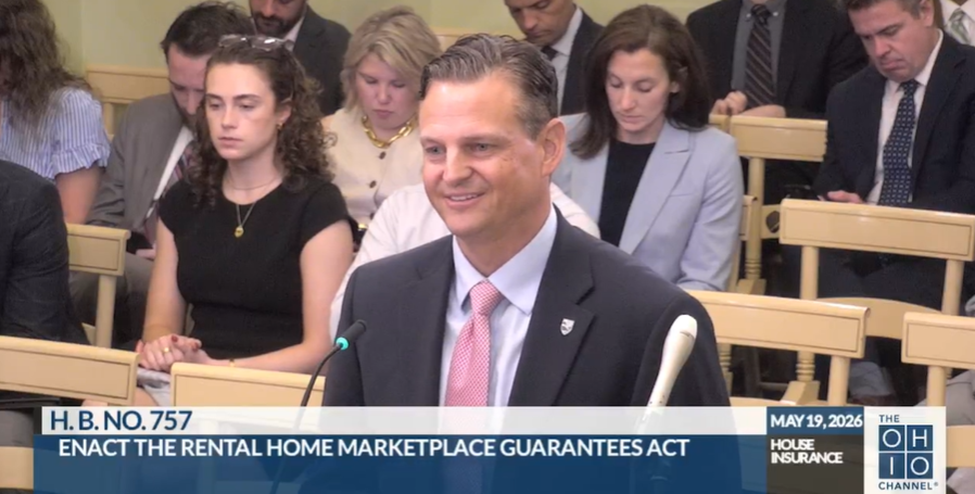
Last week, Matt MacLaren, Director of Travel and Tourism Policy for the Ohio Chamber of Commerce, provided proponent testimony on HB 757, which would create the Rental Home Marketplace Guarantees Act. The rental home marketplace includes platforms such as Airbnb and VRBO, which have become a major part of Ohio's $57 billion tourism industry.

HB 279 Testimony

Last week, the Ohio Chamber of Commerce provided proponent testimony on House Bill 279 (HB 279) before the Ohio House Ways and Means Committee.


HB 279 establishes a nonrefundable income tax credit for eligible expenses incurred by family caregivers. The bill would apply to taxpayers who have incurred at least $500 in expenses taking care of a family member who has a documented need, certified by a licensed health care provider. This bill provides meaningful, targeted relief to working Ohioans who are balancing employment with the responsibility of caring for a loved one.


Family caregivers play an essential role in Ohio’s economy and workforce. Most of these caregivers are also active participants in the workforce, managing competing responsibilities that can strain both their financial stability and their ability to remain employed.


HB 279 helps address these challenges by offsetting out-of-pocket costs associated with caregiving, including home safety modifications, assistive technology, and respite or home care services. By easing these financial pressures, HB 279 supports workforce participation and helps employers retain experienced employees who might otherwise be forced to reduce hours or leave the workforce altogether.


This legislation also has broader economic benefits. Supporting family caregivers reduces reliance on more costly institutional care and helps maintain stability for Ohio families and communities.

Powered By GrowthZone