The Land Where Rivers Begin: Uncovering Hardin County’s Ancient Roots
Glaciers, Great Divides, and Grand Legacies
Hardin County isn't just "flat farmland." If you know where to look, the landscape tells a story of massive ice sheets, continental boundaries, and the rise of great indigenous leaders. Here is a deeper look into the natural and cultural history that shaped our home.
1. The Glacial Footprint: The Fort Wayne Moraine
Thousands of years ago, Hardin County was the literal "end of the line" for the massive Wisconsin Glacier. As the ice stalled and melted, it deposited piles of debris—clay, gravel, and boulders—creating the Fort Wayne Moraine.
- The Specific Location: This moraine enters Hardin County along the northern border with Hancock County. It runs in a southwest arc toward Lima. You can see its "undulating" surface—a series of low, rolling hills—most clearly just north of the Hog Creek Marsh area.
- The Impact: This moraine didn't just change the view; it acted as a dam. It created the vast wetlands that eventually became the Scioto Marsh, leaving behind the rich, black "muck" soil that would later define our local agriculture.
2. Standing on the Edge: The St. Lawrence Continental Divide
Hardin County sits on a peak of the continent. The St. Lawrence Continental Divide (also known as the Great Lakes-Mississippi Divide) cuts right through our backyard, following the high ground of the Wabash Moraine.
- The Scientific Split: Rain falling on the north side of the divide flows into the Maumee River system, out to Lake Erie, and eventually the Atlantic. Rain falling on the south side begins a journey toward the Gulf of Mexico.
- Where to find it: The divide runs roughly parallel to the moraine ridges. When you drive the backroads between Roundhead and Kenton, you are often traversing the very crest of this continental boundary.
3. The Source: Headwaters of the Scioto
Hardin County holds the prestigious title of being the birthplace of the Scioto River, the longest river located entirely within the state of Ohio.
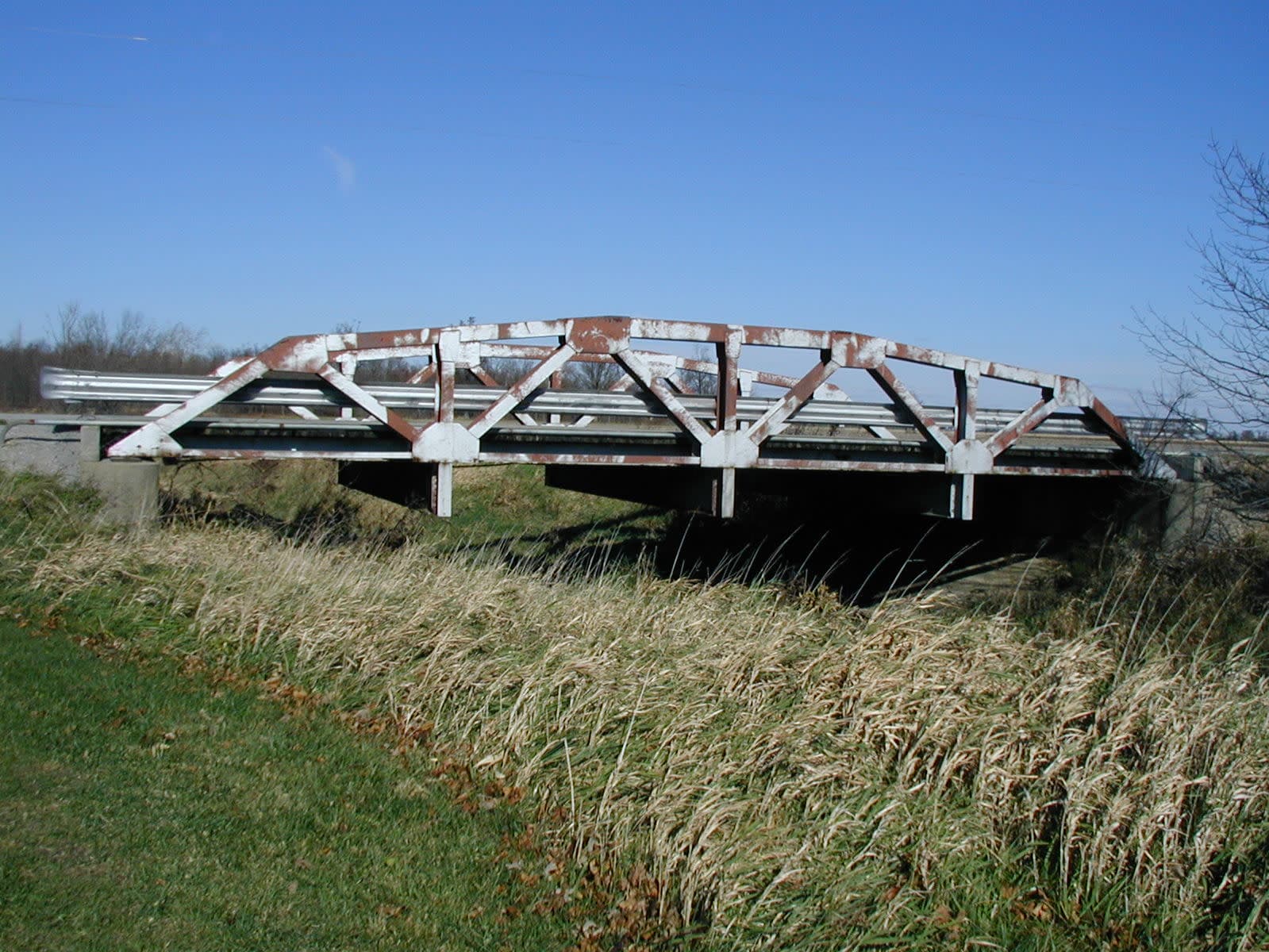
- The Exact Spot: The Scioto rises as a humble spring just north of the village of Roundhead. Specifically, you can find the headwaters near the Township Road 180 bridge.
- From Stream to Giant: At this point, the river is barely a few feet wide. It’s hard to imagine that this small creek will eventually travel 231 miles, flowing through Columbus and Chillicothe before meeting the Ohio River at Portsmouth.
4. The First People and Chief Roundhead’s Village
Long before the first settlers arrived, the Wyandot people recognized the strategic importance of this high, well-watered ground.
- Roundhead’s Village (Quiniwa): Located near the present-day intersection of SR 117 and SR 235, this was the home of the celebrated Wyandot Chief Roundhead (Stiahta).
- A Strategic Hub: Chief Roundhead was a fierce leader and a contemporary of Tecumseh. His village was a vital point of trade and diplomacy, situated perfectly to utilize the natural resources provided by the marsh and the river headwaters.
Make a Day of It: Explore and Dine!
After you’ve stood at the headwaters or tracked the rolling hills of the moraine, stay a while and enjoy the hospitality of Hardin County. Our local dining scene offers the perfect way to refuel after a day of exploration.
- Local Flavors: From cozy diners and family-owned cafes in Kenton to the charming eateries tucked away in our smaller villages like Roundhead and Ada, you’ll find plenty of spots to grab a hearty meal.
- A Taste of the County: Whether you’re looking for a classic Ohio burger, a slice of homemade pie, or a quick coffee for the road, our local businesses are ready to welcome you.
Hardin County is a place of beginnings—from the start of a mighty river to the ridges that divide a continent. Come find your own starting point here!